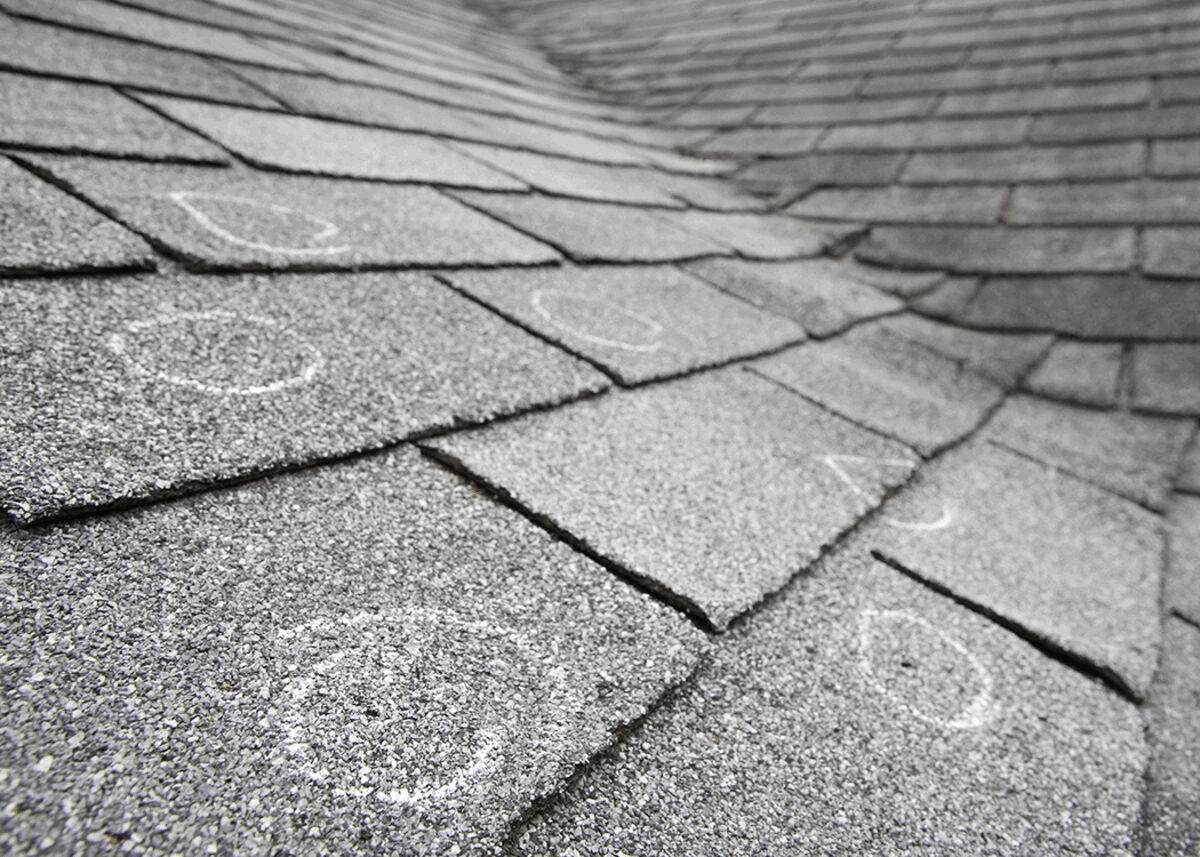
Hail can damage a roof in ways that are easy to miss from the ground. In Cumberland Valley, storms can leave behind bruised shingles, loosened flashing, and small punctures that lead to leaks weeks later. Knowing what to look for helps you decide when to monitor your roof and when to schedule a professional inspection.
Why Hail Damage Can Be Hard to Notice
Unlike wind damage, hail often leaves scattered impacts instead of obvious missing materials. Some marks are cosmetic, but others can shorten the life of your roofing system by cracking asphalt mats, dislodging protective granules, or denting metal components.
Hail damage also tends to show up in different places depending on roof slope, direction, and the size of the hail. Two nearby homes can have very different results after the same storm.
What Hail Does to Common Roofing Materials
Most homes in the region have asphalt shingles or metal roofing. Hail affects each differently, and the signs you see will depend on the material.
- Asphalt shingles: Granule loss, bruising (soft spots), cracking, and exposed asphalt that weathers faster.
- Metal roofing: Dents, deformed seams, and impacts that can compromise coatings or fasteners over time.
- Flashing and vents: Dings, loosened edges, or bent metal that can create small water entry points.
- Skylights and soft metals: Chips, cracks, or dent patterns that help confirm hail size and direction.
Signs You Can Check Safely From the Ground
You do not need to climb onto your roof to spot many clues. A careful walk around your home can reveal whether a closer look is warranted.
- Dented gutters and downspouts: Impacts on metal edges are often a strong indicator that the roof took hits too.
- Granules in downspout outlets: A noticeable buildup of shingle granules after a storm can signal accelerated wear.
- Damaged soft metals: Dents on vent hoods, flashing edges, or chimney caps can point to roof-level impacts.
- New interior staining: Yellow or brown spots on ceilings and walls may indicate a leak that started after the storm.
If you are seeing gutter impacts or granules, it is a good time to schedule a professional roof inspection to document what is going on and prevent small issues from turning into repairs.
How Pros Confirm Hail Damage During an Inspection
A proper inspection looks beyond surface marks. We check shingles and components for functional damage, document patterns, and evaluate whether impacts are consistent with hail rather than foot traffic or aging.
Key things we look for include:
- Consistent impact patterns: Random hits across multiple slopes (not just one area) are common with hail.
- Bruising: On asphalt shingles, a bruise can feel soft and may show a dark spot when viewed at an angle.
- Flashing integrity: Even small bends can open seams where water works its way in.
When Hail Damage Typically Turns Into Leaks
Some hail damage leaks right away, but many problems show up later. Water can take time to work through a cracked shingle, a loosened pipe boot, or a dented flashing joint. Freeze-thaw cycles and hot summer sun can worsen weak points.
If your roof is older or already showing wear, hail impacts can speed up failure. If you suspect problems, a targeted roof repair may be enough, but widespread damage can make replacement the more cost-effective path.
What to Do After a Hailstorm in Cumberland Valley
Start with safe documentation and quick checks, then move toward a professional evaluation if you see warning signs.
- Take photos: Capture dents on gutters, downspouts, and exterior metals, plus any interior stains.
- Check attic areas: If you can do so safely, look for wet insulation or water trails around vents and chimneys.
- Schedule an inspection: A documented inspection helps you understand the scope and next steps.
If you need help with storm-related issues, we also offer roofing services in the Cumberland Valley area that can address repairs and next-step planning after severe weather.
Plan Your Next Step After Hail Damage
If you are unsure whether your roof took functional hail damage, an inspection is the best way to get clear answers. Teflon Roofing can assess impacts, explain what we find in plain language, and recommend the right fix based on your roof and your goals. Reach out to schedule a roof inspection and get ahead of leaks before they start.

Comments